HVAC & environmental control
Present temperature, operating state, setpoints, schedules, and available environmental data by location.
Building Systems
PI organizes available controls, status, alerts, trends, and service context around the rooms, areas, and teams that use them.
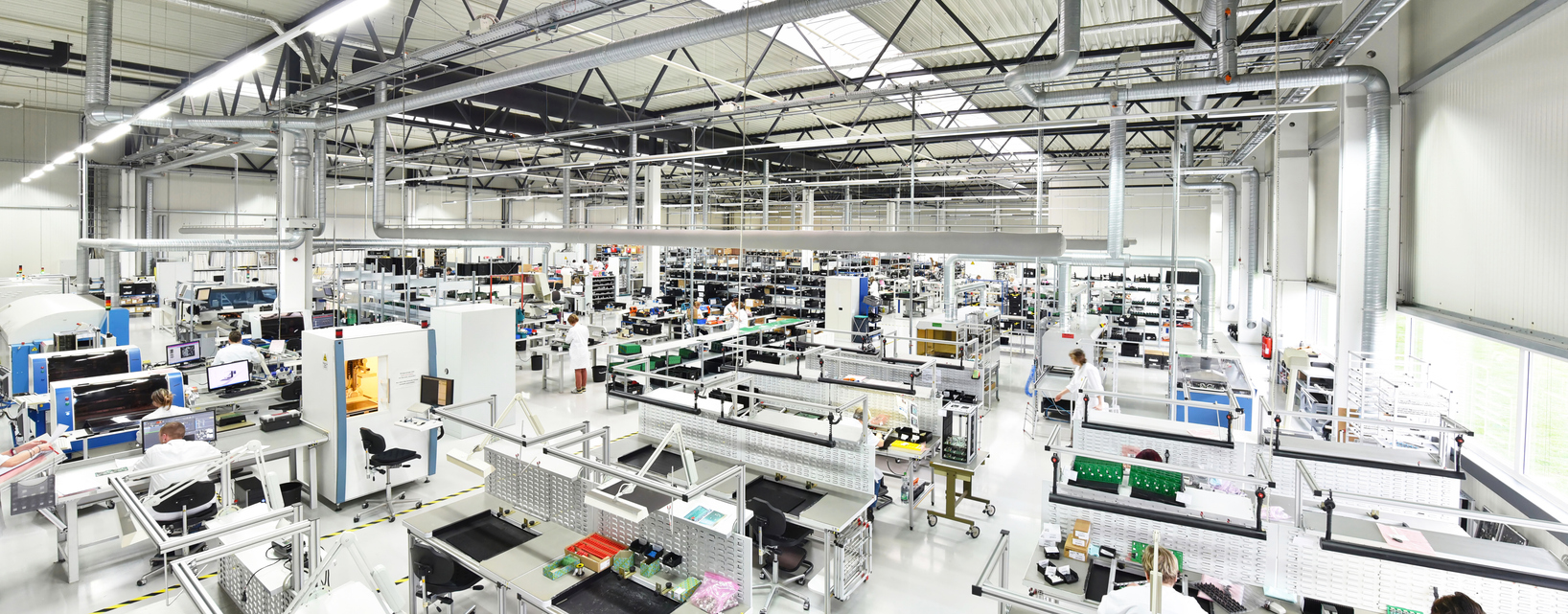
Connected system categories
Where an authorized interface is available, PI™ - Command Center can organize controls, status, alerts, trends, and service context around the spaces and teams that use them.
Present temperature, operating state, setpoints, schedules, and available environmental data by location.
Connect supported lighting through BACnet, Vantage, Hue, or Crestron workflows, then expose available zones, scenes, dimming, and shade controls by space.
Bring supported room systems into meeting and event workflows, including Roku app, input, audio, and playback information where configured.
Use available occupancy information alongside control groups, reusable schedule profiles, and saved normal-hours or after-hours mode flows.
Present supported meter, runtime, and operating values; define collection, retention, and comparison reports for each integration.
Present permitted status or workflow information while dedicated security functions remain within their approved systems.
Associate environmental, occupancy, equipment, and specialty sensor data with the locations and systems it describes.
Connect approved status from power, network, compute, and gateway equipment without replacing native protection tools.
Operate by space
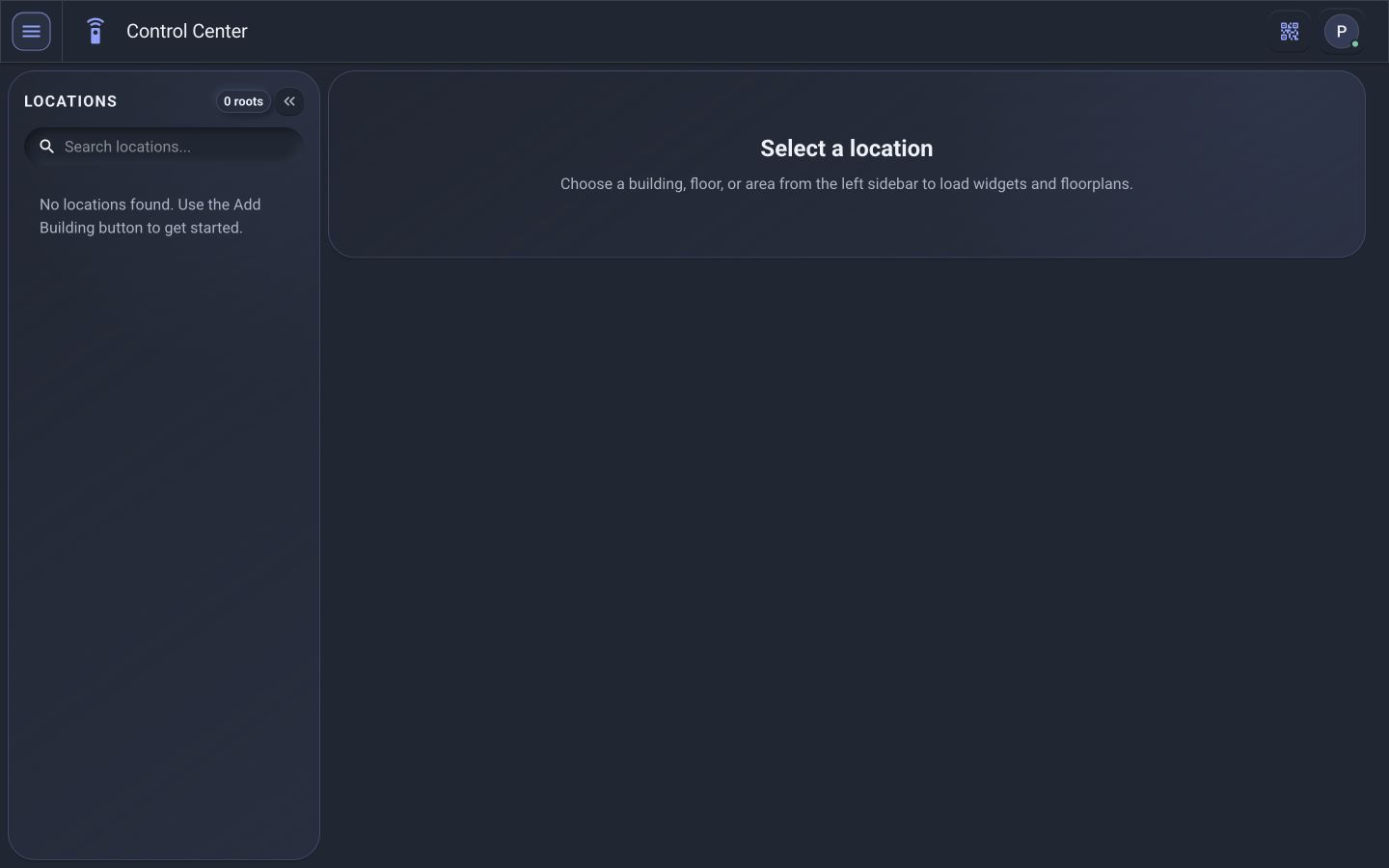
PI can present available lighting, temperature, shade, AV, scene, occupancy, and status controls within the location where people use them. The exact controls depend on the connected systems, supported drivers, and configured widgets.
Build the interface
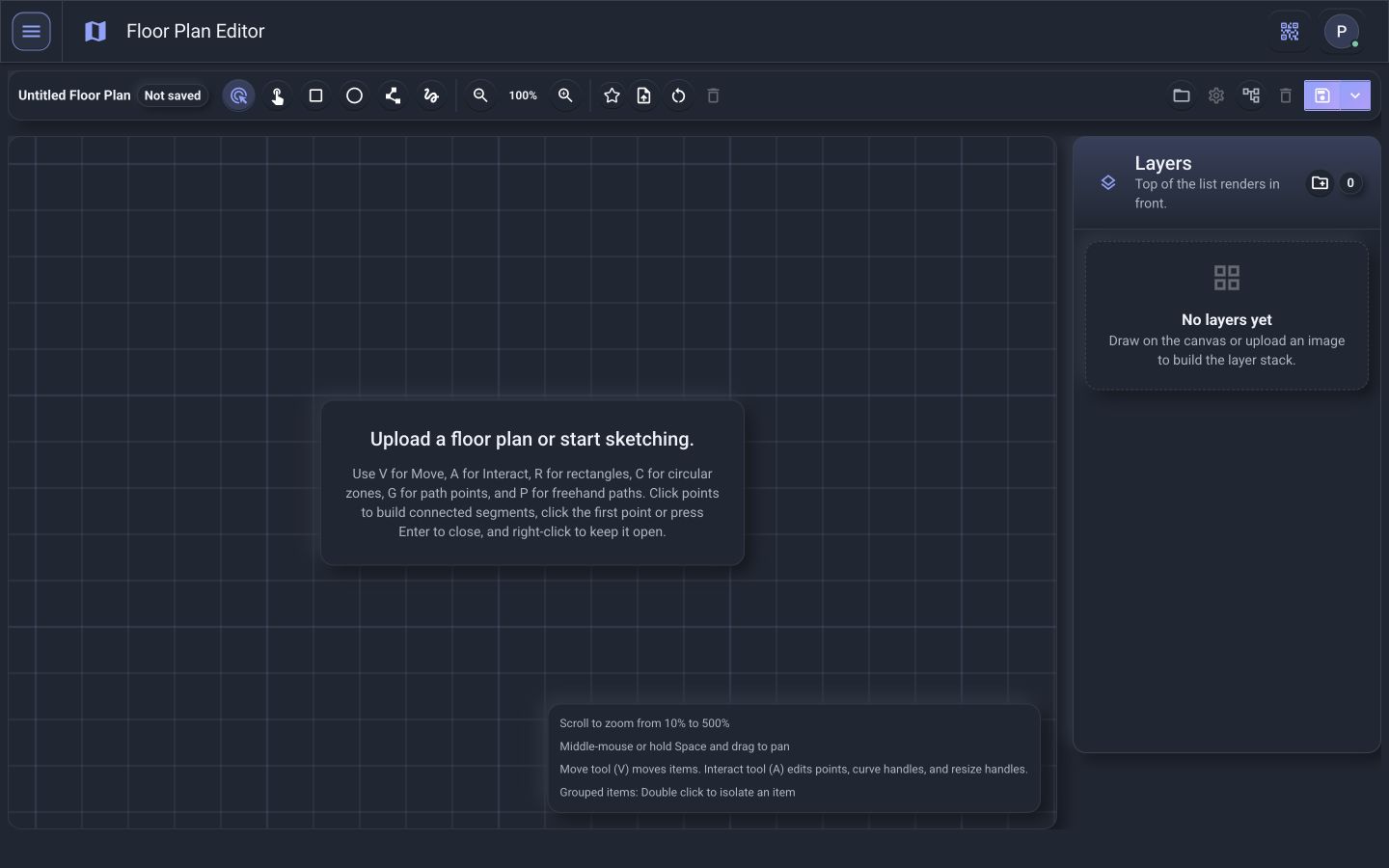
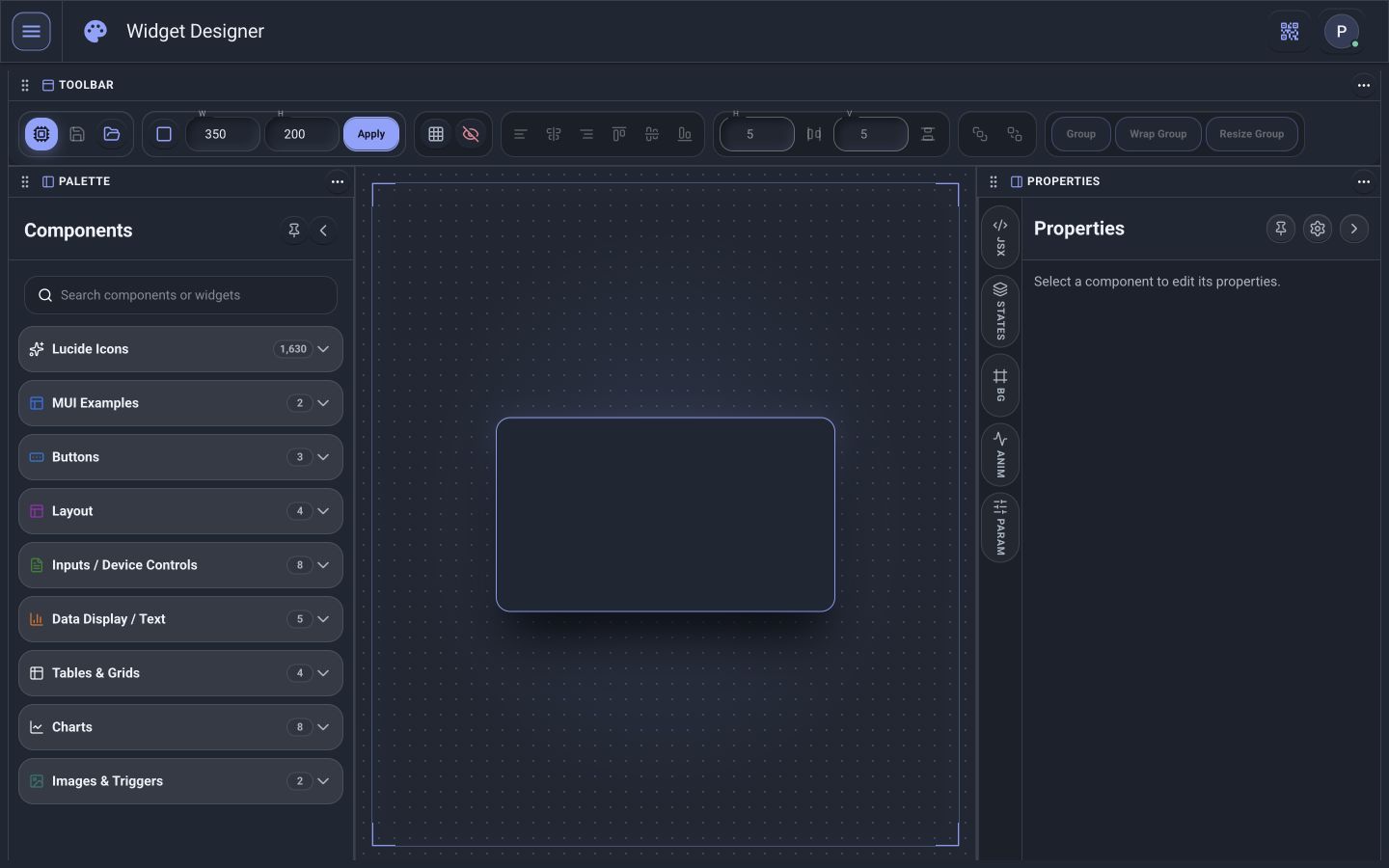
Widget Designer gives qualified users a real PI workspace for composing controls, readouts, status indicators, and equipment-specific interfaces. Floor Plan Editor then places those reusable elements into the building’s visual structure.
One interface across multiple systems
Your building may contain technology from multiple manufacturers. Your operations team shouldn’t have to think that way. PI provides a common operational layer where supported systems are organized around the building itself.
One room. One operational view. One place to start.
See integrations