System features
Bring product-specific commands, status, alarms, settings, and service information into an experience designed around how your customers work.
OEM capability
PI™ - Command Center gives OEMs a flexible software foundation for controls, diagnostics, integration, middleware, and specialized BMS workflows—all shaped around the equipment, market, and customer experience you want to deliver.
Connect. Translate. Orchestrate. Present.
A platform for product differentiation
Your equipment may already be powerful. PI helps make that capability easier to connect, operate, understand, and support—without requiring your team to create an entire software environment from the ground up.
Bring product-specific commands, status, alarms, settings, and service information into an experience designed around how your customers work.
Link equipment, controls, applications, and third-party systems so your product can participate in a broader building strategy.
Normalize data, map commands, coordinate responses, and bridge the gap between product interfaces and operational applications.
Turn connected data and controls into repeatable workflows for commissioning, operations, diagnostics, service, and specialized facilities.
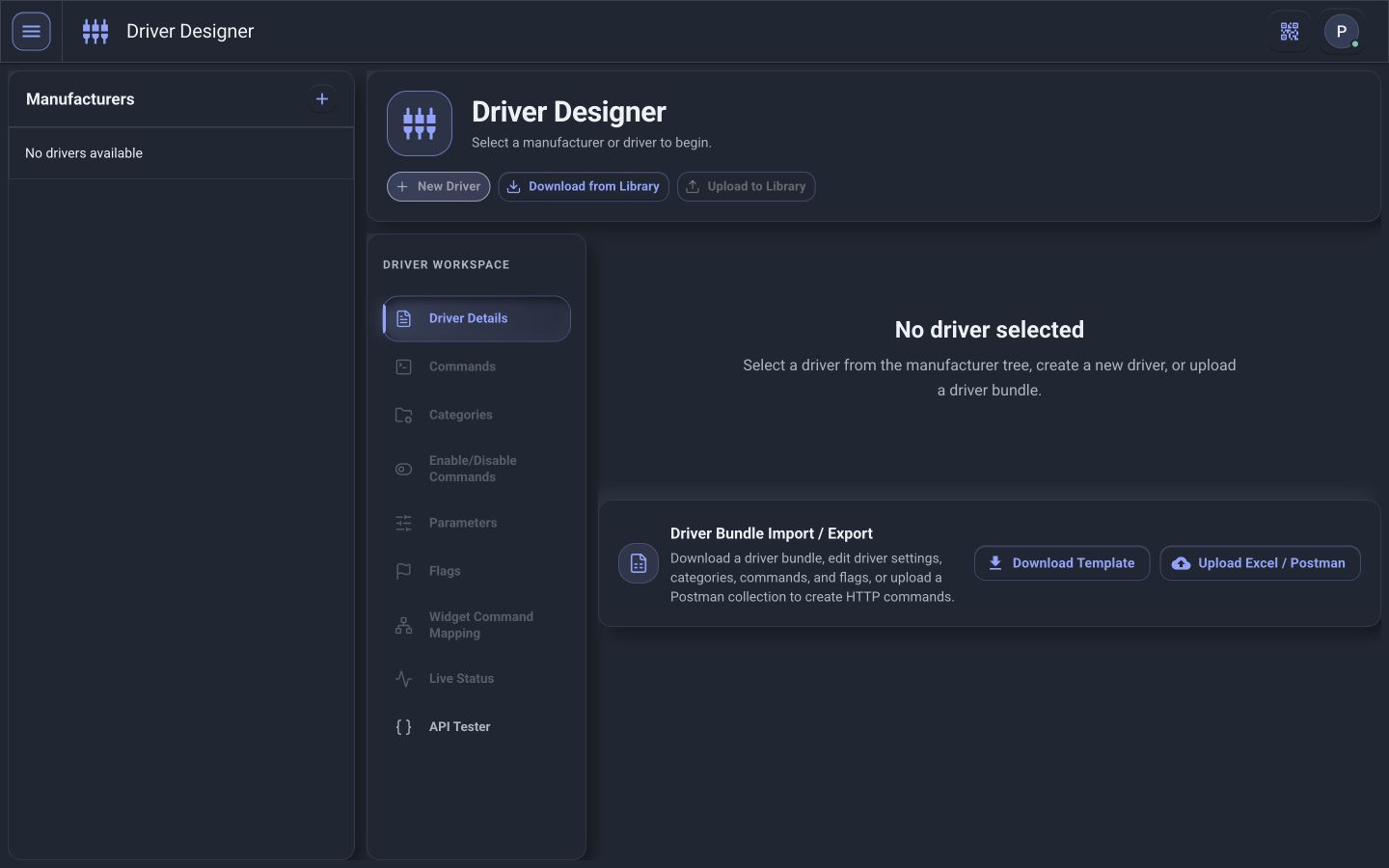
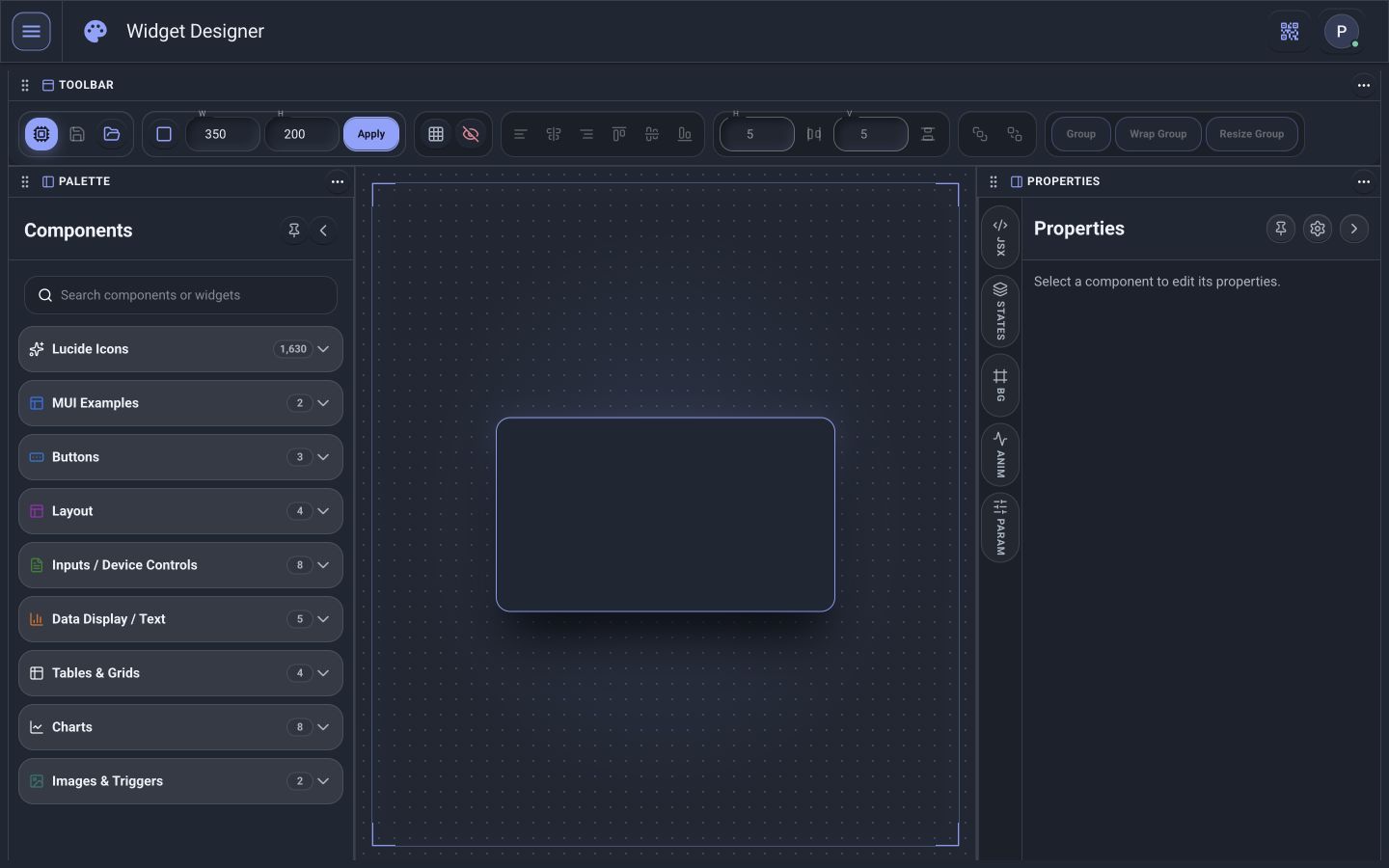
Open-ended by design
PI™ - Command Center provides a common environment for building around the interfaces your product already exposes. BACnet, RESTful APIs, Telnet, and SSH create multiple paths for connecting equipment, software services, and building systems.
Above those connections, PI can organize the logic, data, controls, diagnostics, and user experience into a solution that feels purpose-built for your offering.
The result: an adaptable foundation with nearly limitless potential for product control, cross-system integration, remote insight, and application-specific workflow.
One foundation, many possibilities
Use PI to create a focused product experience or combine capabilities into a broader OEM platform that supports customers throughout the system lifecycle.
Give users an intuitive way to command equipment, review status, adjust settings, and coordinate supported functions.
Guide discovery, setup, testing, verification, documentation, and project handoff through a repeatable process.
Bring communication health, device state, faults, logs, and product context together before a technician is dispatched.
Coordinate your equipment with lighting, HVAC, shading, AV, sensors, networks, and other supported technologies.
Create dashboards, portals, and role-based views that make product capability more accessible to every stakeholder.
Develop applications for the operating requirements of workplaces, campuses, hospitality, healthcare, broadcast, industrial, and other environments.
From connection to competitive advantage
PI helps move product data beyond a protocol connection and into the workflows, services, and experiences that create lasting customer value.
Reach supported equipment and services through the interface that fits the application.
Translate commands, values, states, and events into a consistent operational model.
Combine product capability with building conditions, schedules, users, and other systems.
Present the right controls, insights, and workflows to each user through your solution.
Use diagnostics, trends, and service context to strengthen support and lifecycle value.
Built around your offering
PI provides the adaptable foundation; your organization defines how it should serve the product and the people who depend on it. Shape the interface, workflows, integrations, terminology, and support experience around your brand and go-to-market strategy.
Whether the goal is a focused control application, an integration gateway, a remote diagnostic environment, or a broader customer platform, the solution can be scoped to the opportunity.
A practical path forward
Start with the experience you want to deliver, then define the technical and commercial foundation required to make it repeatable.
Identify the product, users, market, operating goals, required workflows, and customer value.
Document protocols, commands, data, authentication, network requirements, and system boundaries.
Develop the integration, middleware, controls, diagnostics, interface, and application workflows.
Test the complete solution, document its scope, and plan deployment, support, and lifecycle maintenance.
Build with PI